

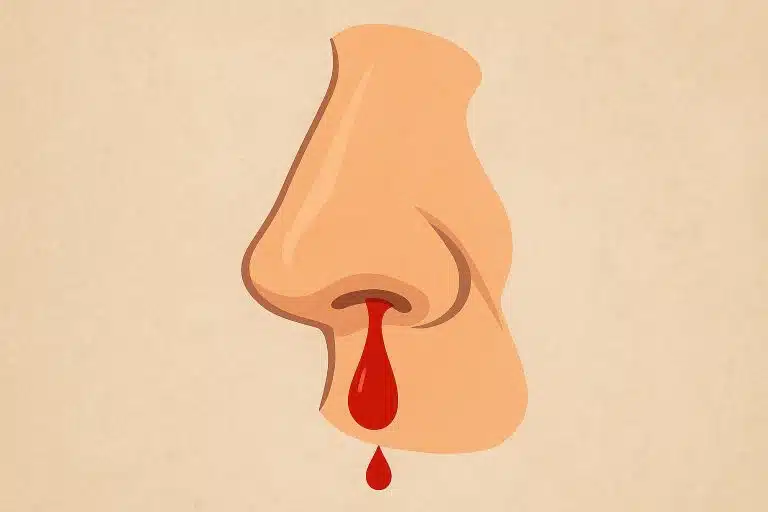
Have you ever been caught off guard by a sudden nosebleed, either on yourself or a child, and wondered if it was something serious? Even though nosebleeds can look pretty bad, the majority are harmless. Still, people aren’t sure when to worry, how to stop the bleeding safely, or what it means when nosebleeds keep coming back.
Medically known as epistaxis, nosebleeds happen because the inside of the nose has many tiny blood vessels close to the surface. These vessels can break from even small triggers, especially in children. The good news: most nosebleeds stop on their own and are not linked to dangerous medical issues. But understanding the difference between a simple episode and a warning sign can make a big difference in how calmly and effectively you respond.
Contents
Why Nosebleeds Happen
Even though the symptom is the same, the causes can be different across age groups.
In children
Nosebleeds often happen because of:
- Minor bumps or falls during play
- Dry indoor air that irritates the nose
- Colds and allergies that make the nose itchy
- Nose picking that injures delicate vessels
These causes are common and usually not serious.
However, there is one rare condition that parents should be aware of: juvenile angiofibroma. This is a benign but fast-growing vascular tumour that tends to affect teenage boys. If a child has frequent, heavy nosebleeds plus a persistently blocked nose or facial swelling, it’s something an ENT specialist should check.
In adults
The triggers can shift slightly as we age. Common reasons include:
- Dry air or heated, air-conditioned environments
- Trauma, including forceful nose blowing
- High blood pressure that puts extra stress on vessels
- Blood-thinning medications like warfarin, aspirin or certain supplements
- Chronic sinus inflammation or allergies
In rare situations, recurrent nosebleeds, especially if they come with nasal blockage, hearing changes, or a lump in the neck, may suggest nasopharyngeal cancer, which needs prompt assessment.
What To Do Immediately, First Aid That Actually Helps
Many people instinctively tilt their head back during a nosebleed, but that can make things worse by sending blood down the throat and into the stomach. Proper first aid makes the bleeding stop faster and safer.
The correct method:
- Stay calm to keep the heart rate down.
- Sit upright and lean slightly forward.
- Pinch the soft part of the nose firmly, not the bony bridge, using the thumb and index finger.
- Hold steady pressure for 10 minutes without letting go of the check.
- Breathe through the mouth while holding pressure.
- A cold compress or ice pack over the bridge of the nose can help constrict blood vessels.
Most nosebleeds stop with these steps. After the bleeding settles, avoid blowing the nose or picking at scabs for several hours, the fragile area needs time to heal.
If the bleeding doesn’t stop after 20 minutes of uninterrupted pressure, it’s time to seek medical care.
When Medical Treatment Is Needed
Not every nosebleed needs a doctor. But when they happen frequently, bleed heavily, or resist first-aid measures, medical attention can offer both relief and answers.
Doctors may consider:
- Cautery
Sealing the fragile blood vessel responsible for recurring bleeding using a chemical or electrical tool. It’s simple, quick, and usually done under local anaesthesia. - Nasal packing
A medicated sponge or gauze is placed in the nostril to apply pressure from within. This is often used in emergency settings. - Endoscopic evaluation
A tiny camera examines deep areas of the nasal cavity and sinuses to identify hidden bleeding points or growths. - Treating the underlying cause
Examples include adjusting blood-thinning medication, treating sinus disease, managing allergies, or controlling high blood pressure. - Surgical treatment
Reserved for specific cases involving growths such as juvenile angiofibromas or nasopharyngeal cancer.
Stopping the bleeding is only the first step, preventing it from recurring often means identifying what triggered it in the first place.
Red Flags You Should Not Ignore
It’s important to recognise when a nosebleed is behaving differently from the usual random episode.
Seek medical attention if:
- The nosebleed lasts longer than 20 minutes despite pressure
- The bleeding is very heavy or occurs from both nostrils
- The person feels dizzy, faint, or weak
- The nosebleed happens after a head or facial injury
- There are repeated nosebleeds over days or weeks
- There is blood in vomit or saliva from swallowing too much
Or when a nosebleed is accompanied by concerning symptoms such as:
- A constantly blocked nose
- Facial or nasal swelling
- Hearing changes or ear fullness
- A lump in the neck
- Unexplained weight loss or night sweats
Trust your instincts, nosebleeds that feel “different” deserve attention.
Preventing Nosebleeds Before They Happen
If nosebleeds are rare, prevention is simple. When they’re frequent, small daily habits can make a huge difference.
What helps:
- Use saline spray or gel to keep the inside of the nose moist
- Apply a thin layer of petroleum jelly or a moisturising ointment at bedtime
- Use a humidifier, especially when air-conditioning dries the air
- Keep fingernails trimmed and discourage nose picking in children
- Avoid forceful nose blowing
- Stay hydrated
For adults with medical risk factors:
- Monitor blood pressure
- Discuss recurring nosebleeds with a doctor if taking blood thinners
- Treat chronic sinus inflammation or allergies early
- Avoid smoking, which dries and irritates the nasal lining
Sometimes prevention is as simple as keeping the nose moist, dryness is one of the biggest triggers people overlook.
A Quick Recap
- Most nosebleeds are harmless and stop on their own with the right first aid.
- Children’s nosebleeds are usually due to dryness, injury, or irritation.
- In adults, causes can include trauma, dry air, blood-thinning medication, and high blood pressure.
- Seek medical help for severe, prolonged, or recurrent bleeding, or if other worrying symptoms are present.
- Long-term relief is available, and modern ENT treatments are safe and effective.
Final Thoughts
A nosebleed can be messy and alarming, especially when it happens to a child or wakes someone from sleep. The important thing to remember is that most episodes are harmless and easily treated with simple first-aid steps. Learning how to react calmly, and when to get help, can make a big difference.
However, recurrent or severe nosebleeds deserve attention. Whether caused by high blood pressure, medication, sinus issues, or rare tumours, early evaluation ensures the right treatment. People should never hesitate to seek medical advice if they feel unsure or concerned.
ENT Clinics are equipped with safe, minimally invasive techniques such as cautery and endoscopic examinations that provide long-term relief for patients with repeated nosebleeds. With awareness, prevention strategies, and timely care, both children and adults can manage nosebleeds effectively and confidently.
