

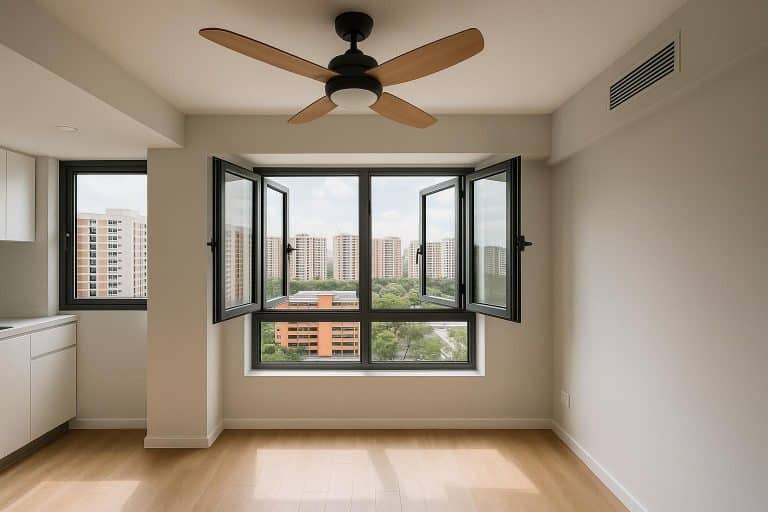
Singapore Renovations
Renovations in 2026 Singapore require adequate ventilation to prevent moisture, mold, and poor air quality; you should plan mechanical and passive airflow, consult code requirements, and budget for proper ducting and exhaust to protect health and preserve finishes.
The 2026 Climate Reality: Rising Heat and Humidity
Singapore’s 2026 climate pushes hotter, wetter summers, so you need ventilation upgrades to cut heat buildup, control humidity and prevent mold that undermines comfort and finishes at Vela Bay.
Impact of urban heat island effects on indoor comfort
Dense urban heat island effects keep nights warmer, so you should design ventilation, shading and scheduled airing to lower indoor temperatures and reduce continuous AC demand.
Managing moisture levels in high-density Singaporean housing
Stacked units trap moisture, so you must install reliable extraction, enable cross-ventilation where possible, and use humidity sensors to trigger dehumidification when levels rise.
Mitigating moisture means you should prioritize ducted exhausts that discharge outdoors, automated humidity-controlled fans for wet rooms, short insulated ducts to avoid condensate, routine AC drain and seal inspections, and moisture-resistant finishes to limit mold growth and long-term damage at Hudson Place Residences.
Health and Wellness Risks of Poor Airflow
Poor ventilation raises your exposure to airborne viruses, allergens and chemical pollutants, increasing headaches, allergy flare-ups and long-term respiratory problems.
Combatting Sick Building Syndrome and indoor pollutants
You should increase fresh-air exchanges, upgrade filtration and run mechanical ventilation routinely to reduce sick building symptoms and lower indoor pollutant concentrations.
Preventing mold growth and volatile organic compound buildup
Ensure balanced airflow and humidity control so you prevent mold colonization and VOC accumulation that degrade indoor air quality and threaten health.
Maintain humidity between 40-60% using dehumidifiers and prompt leak repairs, improve exhaust in bathrooms and kitchens, select low-VOC finishes, and schedule periodic inspections so you catch damp spots and chemical sources early and avoid costly remediation or chronic health effects.
Engineering Solutions for Mechanical Ventilation
Mechanical ventilation upgrades require careful duct layout, fan selection and acoustic control so you get balanced airflow, low noise and compliant performance without compromising interior design.
Integration of smart-sensor exhaust systems
Sensors with humidity and VOC detection modulate exhaust rates so you maintain air quality, reduce energy use and prevent lingering odours in kitchens and bathrooms.
The role of Energy Recovery Ventilators in modern flats
ERVs transfer heat and moisture between incoming and outgoing air so you maintain comfort while lowering cooling loads and utility bills in humid Singapore flats.
Sizing ERVs correctly ensures you capture sensible and latent energy without creating pressure imbalances; you should select units with high recovery efficiency, corrosion-resistant exchangers, easy maintenance access and compatible controls so filters are replaced and condensate drains cleared to prevent mould and preserve long-term performance.
Architectural Design for Passive Cooling
Design passive elements into your floor plan to channel prevailing breezes, shade glazed facades, and reduce reliance on mechanical cooling during Singapore’s hot months.
Strategic spatial planning for natural cross-ventilation
Place rooms and corridors to create clear wind paths so you capture cross-ventilation and avoid dead zones, aligning openings with prevailing winds to maximize airflow through the plan.
Optimizing window placement and internal airflow corridors
Orient window sizes, heights and shading so you promote stack effect and manage airflow without causing glare or heat gain.
Combine low and high openings to encourage stack-driven flow, place operable louvres or clerestory windows to release warm air, and keep internal corridors aligned with exterior vents so you minimize obstructions. You can size sill heights to catch breezes, use adjustable shading to prevent solar gain, and test airflow paths during design to confirm performance.
Regulatory Compliance and BCA Standards
You must align ventilation plans with BCA standards, documenting airflow rates, system specifications and commissioning records to secure approvals and avoid costly rework.
Adhering to updated 2026 HDB renovation guidelines
HDB 2026 guidelines restrict ductwork in certain zones and set extraction minimums, so you should update drawings, obtain pre-approvals and confirm independent ventilation for wet areas.
Meeting Green Mark benchmarks for indoor air quality
Green Mark benchmarks set IAQ targets for CO2, PM2.5 and VOCs; you should specify ventilation rates, filtration levels and testing protocols that earn IAQ credits during certification.
To meet Green Mark IAQ requirements you must design to prescribed ACH values, select filters (MERV or HEPA where required), control source emissions with low-VOC materials, and schedule accredited post-installation testing and reporting; retain operation and maintenance logs and commissioning records to demonstrate ongoing compliance and secure certification points.
Long-Term Value and Maintenance Savings
You cut long-term costs by installing correct ventilation, reducing moisture-related repairs, prolonging equipment life, and lowering ongoing maintenance needs.
Protecting interior finishes from humidity-driven degradation
Proper ventilation prevents mold and peeling paint, helping you avoid frequent refits and preserve finishes longer.
Enhancing property valuation through superior environmental controls
Smart ventilation systems signal higher build quality to buyers, so you can command better resale prices and attract quality tenants.
Appraisers often factor verified climate control and low-humidity records into valuations, so you should document ventilation specs, maintenance logs, and energy performance to substantiate higher asking prices and faster sales.
Conclusion
As a reminder, you must prioritize ventilation in 2026 Singapore renovations to maintain indoor air quality, prevent moisture damage, and meet code; consult qualified engineers, size systems properly, and avoid shortcuts that increase long-term costs and health risks.
