

Pedro Ostia-Vega, Financial Advisor, has spent more than two decades in the financial services industry, holding roles at HSBC Bank and National Bank Financial before joining Portage Wealth, a Raymond James subsidiary, in 2012. Today, Pedro Ostia-Vega serves as a senior associate wealth advisor, overseeing the team’s daily trading and portfolio operations while acting as the primary point of contact for clients navigating cross-border investments. His approach emphasizes proactive planning and long-term goals, supported by FINRA Series 37 and 63 certifications along with coursework in portfolio management, wealth management, and securities. Outside the office, Mr. Ostia-Vega balances the demands of a financial advisor’s schedule by staying active, playing basketball, and spending time with family in Oakville, Canada. That balance between structured work and consistent physical activity reflects a broader pattern among professionals who rely on exercise to reset after demanding days.
A workout routine is a repeated plan for movement, such as walking, lifting weights, cycling, playing a sport, or going to the gym. For professionals, a reset need not mean a dramatic change. It can mean ending the workday with a deliberate shift in attention, pace, and physical activity.
That makes exercise useful both for fitness and for separating work from personal time. Many workdays involve lots of sitting, screens, meetings, deadlines, and decisions.
After hours of stillness, movement gives the body a different task. It changes breathing, posture, pace, and focus without requiring more problem-solving. That practical shift can make the boundary between work and personal time easier to notice.
When exercise has a usual place in the week, the professional doesn’t have to depend only on motivation. A planned walk after work or a gym session before dinner can be easier to repeat than a difficult workout chosen at random. A familiar plan makes movement more likely before fatigue, messages, or household demands crowd it out.
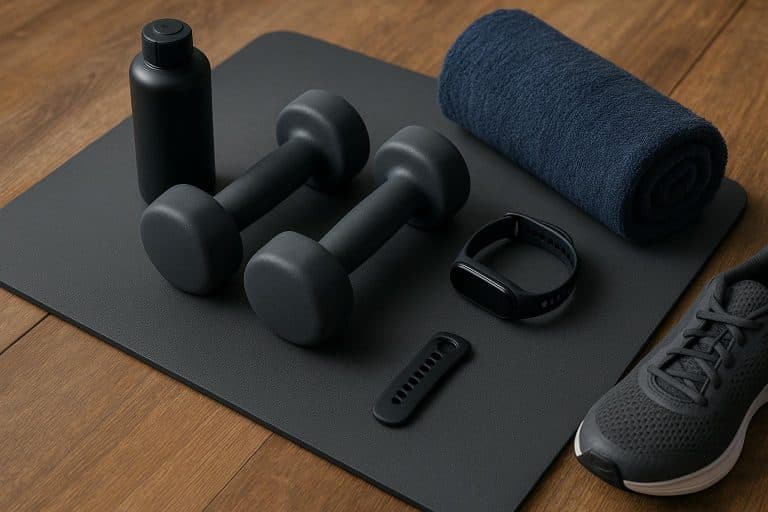
A useful routine can take many forms. Some professionals may prefer brisk walking, strength training, cycling, bodyweight exercise, recreational sports, or a short gym session. Others may use shorter movement breaks when a full workout does not fit. The activity does not need to look impressive to serve a practical purpose.
Physical activity can also support a demanding schedule. Movement may help some people ease tension, sleep better, think more clearly, or have more energy for nonwork responsibilities.
Professionals should not treat workouts as a cure for burnout, anxiety, chronic stress, or health concerns. They also should not turn exercise into another standard that makes the day feel like a failure when plans change. Exercise works best as one practical reset tool, not as a medical solution or a measure of discipline.
After those limits have been clarified, the practical value of movement often shows up at home. A professional who exercises after work may bring more patience to family tasks or rest. The workout does not guarantee a calm evening, but it can create a clearer break from meetings, messages, and decisions. That matters when the next responsibility requires patience rather than speed.
A good exercise routine should fit the person using it. Someone who dislikes the gym may be more consistent with walking, fitness classes, home workouts, or recreational activity. Another person may prefer structured strength training because it feels easier to track. Matching the routine to preference, fitness level, schedule, and energy makes the habit more realistic.
Safety and pacing matter as well. People returning after a long break, dealing with pain, or managing health concerns may need to start gradually and speak with a health care professional when appropriate. In addition, paying attention to soreness, fatigue, and recovery helps keep the habit sustainable.
Over time, a workout routine can change how a professional handles demanding weeks. Instead of waiting until stress builds up, the person has a planned way to protect energy before work, family tasks, and personal goals begin to compete for time and attention. The routine does not need to be perfect to be useful, it simply needs to be realistic enough to return to after a busy day.
That is what makes exercise a practical reset. It gives the week a steadier rhythm before pressure takes over.
About Pedro Ostia-Vega
Pedro Ostia-Vega is a senior associate wealth advisor at Portage Wealth, a subsidiary of Raymond James, where he has worked since 2012 after starting his financial services career at HSBC Bank and National Bank Financial. As a financial advisor, he manages trading and portfolio operations for the team and serves as the primary contact for clients focused on long-term financial goals and cross-border investments. He holds FINRA Series 37 and 63 certifications and lives in Oakville, Canada, where he enjoys basketball and spending time with family.
